


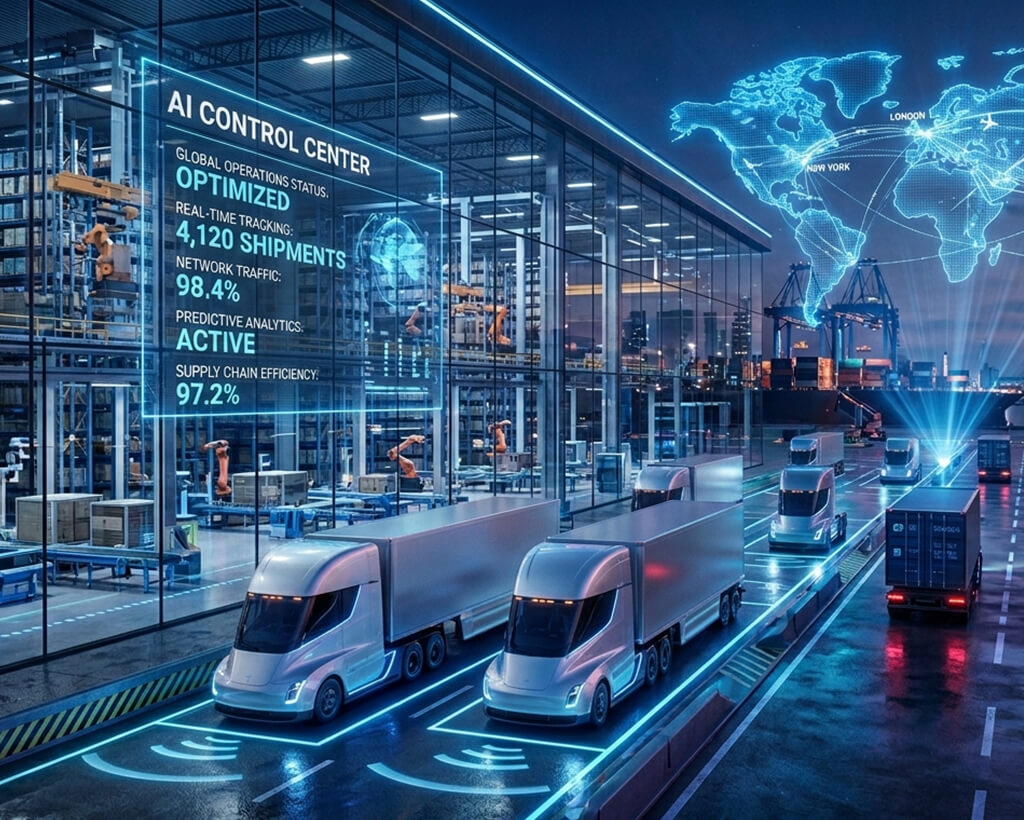
The logistics and transportation industry is undergoing a massive transformation. With evolving customer expectations, rapid technological advancements, and global economic shifts, logistics is no longer just about moving goods—it’s about delivering efficiency, speed, and intelligence.
In 2026, businesses are shifting from traditional logistics models to more agile, data-driven, and technology-enabled ecosystems. Companies that adapt to these changes are gaining a competitive edge, while those that don’t risk falling behind.
This blog explores the key trends shaping the future of logistics in 2026 and beyond.
1. Rise of AI and Automation in Logistics
Artificial Intelligence (AI) is becoming the backbone of modern logistics operations. From route optimization to predictive demand planning, AI is helping companies reduce costs and improve efficiency.
AI-powered systems can:
- Predict delays before they happen
- Optimize delivery routes in real time
- Improve warehouse management
According to industry insights, companies investing in AI-driven logistics are seeing significantly higher operational efficiency and growth.
Automation is also transforming warehouses. Robotics, automated sorting systems, and smart inventory management are enabling faster and more accurate operations.
2. The Shift Toward Data-Driven Decision Making
Data is now one of the most valuable assets in logistics. Businesses are using real-time data analytics to make smarter decisions.
Key benefits include:
- Better demand forecasting
- Improved fleet utilization
- Reduced operational costs
Modern logistics companies rely on predictive analytics to anticipate disruptions and optimize supply chains.
This shift is moving the industry from reactive to proactive logistics management.
3. Sustainability and Green Logistics
Sustainability is no longer optional—it’s becoming a core business requirement.
Companies are adopting:
- Electric vehicles (EVs)
- Fuel-efficient transportation models
- Carbon tracking systems
The rise of EVs in last-mile delivery is accelerating due to fuel price volatility and environmental concerns.
Green logistics not only reduces environmental impact but also improves brand image and compliance with global regulations.
4. Growth of Last-Mile Delivery Solutions
Last-mile delivery is one of the most critical and challenging aspects of logistics.
With the growth of e-commerce, customers expect:
- Faster deliveries
- Real-time tracking
- Flexible delivery options
However, last-mile delivery costs are increasing, making efficiency crucial.
Companies are addressing this through:
- Micro-warehouses
- Route optimization
- Local delivery hubs
5. Expansion of Regional Logistics Networks
Global supply chains are becoming more regionalized.
Instead of relying on long-distance shipping, companies are:
- Building regional warehouses
- Creating localized supply chains
- Reducing dependency on global routes
This trend improves delivery speed and reduces risks associated with global disruptions.
6. Flexible and Elastic Logistics Models
Modern logistics is all about flexibility.
“Elastic logistics” allows companies to scale operations up or down based on demand.
Benefits include:
- Handling seasonal demand fluctuations
- Reducing operational costs
- Improving customer satisfaction
7. Digitalization of Logistics Operations
Digital platforms are transforming how logistics companies operate.
Key advancements include:
- Real-time shipment tracking
- Digital freight platforms
- Cloud-based logistics systems
Digitalization improves transparency and enhances customer experience.
8. Capacity Optimization Over Expansion
Instead of expanding fleets, companies are focusing on optimizing existing resources.
This includes:
- Better route planning
- Load optimization
- Smart fleet management
This shift helps reduce costs while maintaining efficiency.
Conclusion
The logistics industry in 2026 is defined by technology, sustainability, and flexibility. Companies that embrace these trends will be better positioned to handle future challenges and deliver superior customer experiences.
For businesses, the key takeaway is clear:
Adapt, innovate, and invest in smarter logistics solutions.